
Navigating complex knowledge landscapes
Working across disciplinary and organisational boundaries is rarely simple. But it is often where the most innovative, rewarding, and fun ideas emerge. Throughout my career, I have moved between different worlds, and today that helps me connect actors and move shared initiatives forward.
FOUNDER STORY
A unique perspective on cross-sector innovation
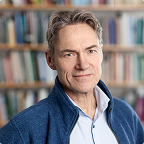
David Nilsson is an engineer and historian of technology. He holds a Masters degree in environmental engineering and a Ph.D. in history of science and technology and was awarded the title of Docent (Associate Professor) at KTH Royal Institute of Technology in 2018. He has worked in the private consulting sector, in government agencies in Sweden as well as abroad, and in academia, where he held senior management positions.
Over the past decades, he has worked with infrastructure, water, sustainability and collaborative development in different roles and settings. He is also an experienced board member from various organisations dealing with water, innovation, and sustainable development. This has given him a broad perspective on how complex systems change — and why good ideas so often stall before they become reality.
Over the past decades, he has worked with infrastructure, water, sustainability and collaborative development in different roles and settings. He is also an experienced board member from various organisations dealing with water, innovation, and sustainable development. This has given him a broad perspective on how complex systems change — and why good ideas so often stall before they become reality.
How it Works
The client commits to contracting Framverket once external funding is secured. This means that steps 1-3 entails no costs for the client. See more about contracting and procurement in the FAQ section.
STEP ONE
Orientation
The first step is to understand the challenge and identify opportunities worth developing. This phase helps clarify the need, the different possible directions, and opportunities available.
STEP TWO
Definition
The next step is to shape the initiative into a clearer project concept. This includes finding and aligning relevant partners, defining project ownership, and turning ideas into something tangible to build on.
STEP THREE
Financing
Once the project is defined, the focus shifts to funding. Framverket leads the application process to create the conditions needed for successful external financing. Funding sources typically include public R&D financiers matched with private and/or public co-funding.
STEP FOUR
Implementation
When funding is in place, the work moves into implementation. Framverket supports the partners in collaboration and project execution, according to the agreed project plan.
EXPERTISE
Areas of expertise
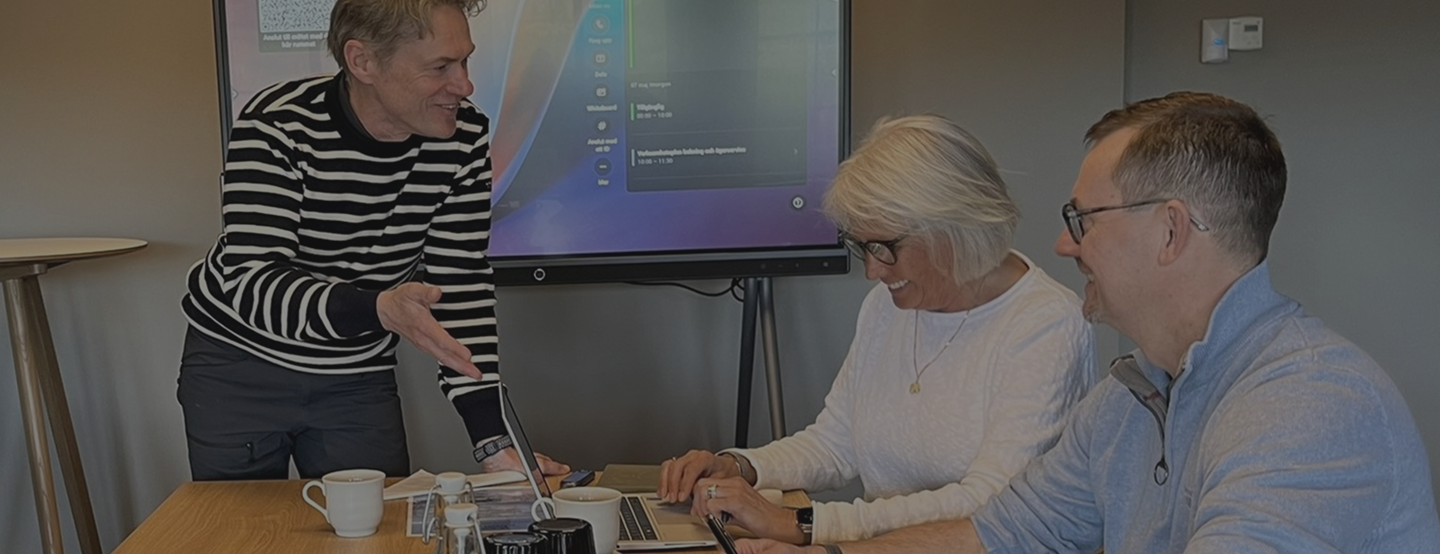
David’s work combines technical, strategic and cross-sector expertise developed through research, applied projects and long experience in the field.
Sustainability Innovation
Developing initiatives that address complex sustainability challenges in practical and collaborative ways. This includes working in as diverse areas as social sustainability in the Swedish mountain ranges, water re-use on coastal and island communities, or innovative sanitation approaches in peri-urban areas in low-income regions in Kenya, Uganda, South Africa and India.
Water & Infrastructure
Working with long-term challenges in technical systems, public infrastructure and environmental management. David’s work spans from the political negotiations on the Nile river basin to digitalisation of water utilities and self-driving buses in Sweden.
Cross-Sector Collaboration
Bringing together actors from the public sector, private sector and academia around shared projects and goals. Over the years, David has led and worked with engineers, economists and planners, historians and sociologists, political scientists and investment analysts, as well as architects, designers and artists.
Research and knowledge co-production
Developing projects, partnerships and funding applications that connect research with real-world needs. As experienced manager of diverse strategic programme portfolios, and as founding Director of a research centre at KTH, he knows what it takes to create the right conditions for successful challenge-driven collaborative initiatives.
Selected Projects
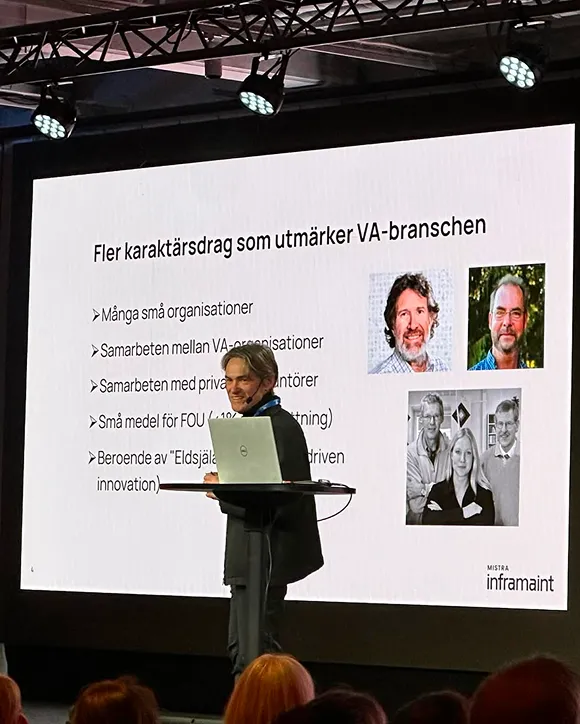
See how ideas become funded and implemented initiatives.





WHO ARE WE
Frequently Asked Questions
What kinds of projects does Framverket typically work with?
Explorative projects with a strong knowledge component, where researchers, practitioners, policy-makers and other stakeholders work together to address systemic challenges.
At what stage do you usually get involved in a project?
Framverket typically gets involved at an early stage, around an initial idea or a defined challenge — before key actors have identified a clear path forward.
How do you approach developing a project from idea to implementation?
Explorative projects with a strong knowledge component, where researchers, practitioners, policy-makers and other stakeholders work together to address systemic challenges.
What kinds of projects does Framverket typically work with?
Framverket works through a clear four-step process, moving from open exploration to defining what to do and with whom, securing funding, and getting the project started. Throughout, ownership remains with the client.
How does contracting and procurement work?
Framverket’s role and budget are defined during the early project phase. The client then contracts Framverket once funding is secured. EU and Swedish public procurement rules do not apply to research and development services, enabling single-source procurement for jointly developed R&D projects.
What happens if we are unsuccessful with the financing?
Developing project proposals is an investment, and unsuccessful applications should be reused where possible. All proposals are treated as intellectual property jointly owned by the client and Framverket for 12 months after the funding decision.
What is your view on collaboration across sectors?
YES! Interdisciplinary work and boundary-spanning require careful planning and leadership, but are essential to address many of society’s major challenges. They also make projects more fun and innovative by bringing in different competencies and perspectives. Framverket helps you make that work.